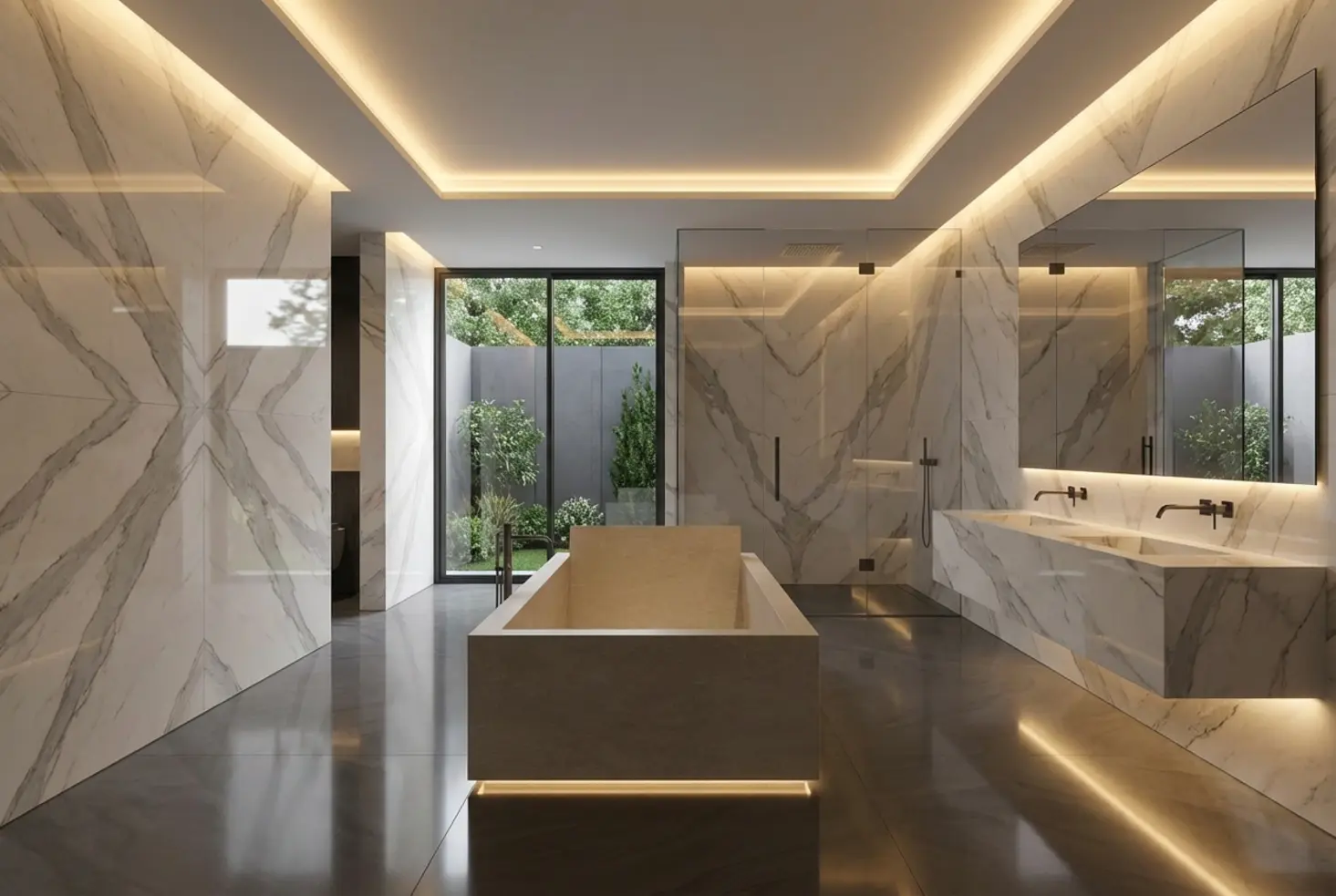
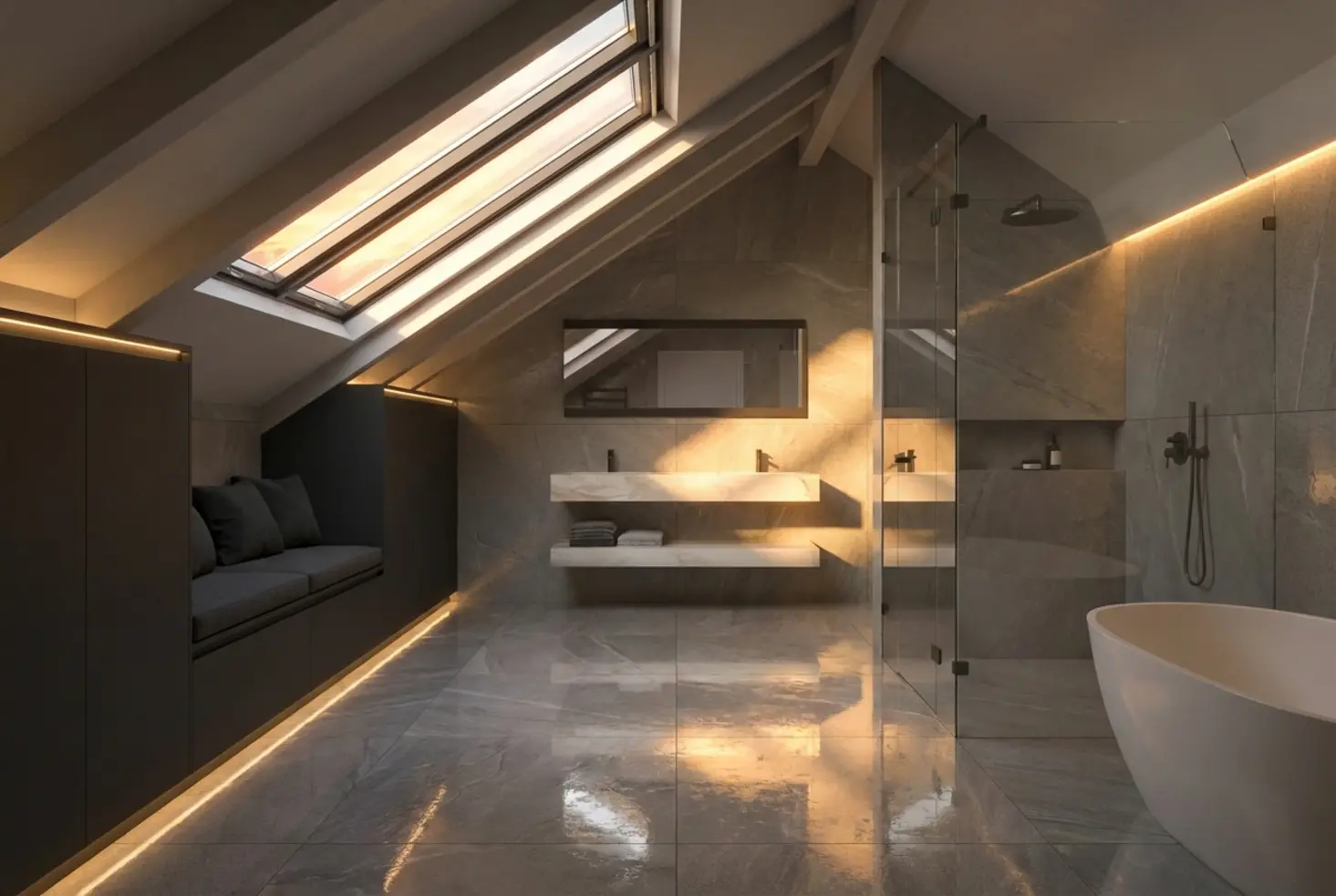
If you are planning a kitchen renovation, designing a high-end bathroom, or even thinking about an outdoor barbecue area that can survive a harsh winter, you have likely come across the name Dekton. But what exactly is it? Is it just a fancy porcelain? Is it worth the investment when compared to traditional stone?
In the world of architecture and interior design, Dekton has become the «holy grail» of surfaces. It is not just about looking pretty; it’s about a material that refuses to stain, burn, or scratch, no matter what you throw at it. Whether you are a professional chef who needs a heat-proof countertop or a homeowner looking for a «fit and forget» solution, this guide will walk you through everything you need to know: from the secret technology behind it to the real costs you’ll find in today’s market.
What Exactly is Dekton? Beyond the Marketing Fluff
To understand Dekton, you have to forget everything you know about traditional tiles or quartz. Dekton is an ultra-compact surface. While most countertops are made of resins and minerals (quartz) or baked clay (porcelain), Dekton is in a league of its own thanks to something called TSP (Sinterized Particle Technology).
Imagine the process that creates natural stone in the earth’s crust—intense heat and massive pressure over thousands of years. Now, imagine a machine that can replicate that process in just a few hours using 25,000 tons of pressure. That is exactly what happens. This extreme compaction eliminates all porosity and micro-defects. The result? A material so dense that it is practically indestructible in a domestic environment.
The Sustainability Factor: A Conscious Choice
In an era where we care about our carbon footprint, Dekton stands out. It is one of the few surfaces on the market with a Carbon Neutral «Cradle-to-Grave» certification. This means that from the moment the raw materials are extracted to the moment it is installed in your home, the carbon emissions have been offset. It’s a sophisticated choice that doesn’t cost the earth.
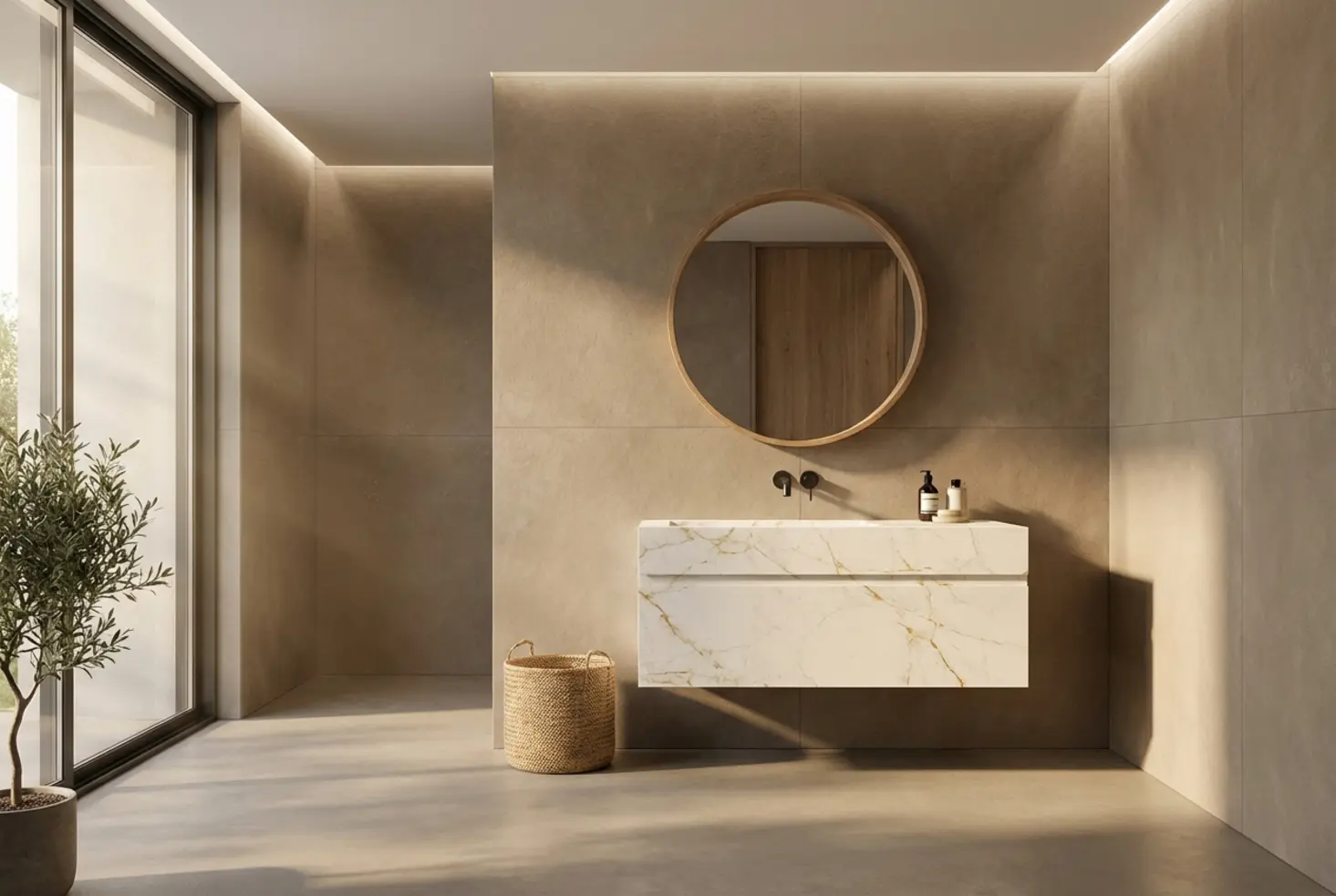
The 5 «Superpowers» of Dekton You Need to Know
Why are architects obsessed with this material? It boils down to five specific technical advantages that most other materials simply cannot match.
- Total Heat Resistance: You can take a pan directly from the stove and place it on a Dekton countertop. No mats, no trivets, no cracks. It is classified as an A1 non-combustible material.
- Zero Porosity: Because there are no pores, stains can’t penetrate. Red wine, coffee, lemon juice, or even permanent markers—they all sit on the surface and wipe away with a damp cloth.
- Scratch Proof: While we always recommend using a cutting board to protect your knives (because Dekton is harder than steel and will dull your blades), you literally cannot scratch the surface with domestic utensils.
- UV Resistance: Most indoor surfaces fade or «yellow» when exposed to sunlight. Dekton is completely UV-stable, making it the premier choice for outdoor kitchens and facades.
- Chemical Resistance: From bleach to oven cleaners, Dekton handles harsh chemicals without losing its shine or texture.
When you are designing a high-traffic area, these benefits become essential. For example, if you are planning a bespoke bathroom, companies like Luponcio specialize in creating custom porcelain elements like tailor-made sinks and shower trays that leverage these high-durability materials to ensure your bathroom looks brand new for decades.
Understanding the Price: How Much Does Dekton Really Cost?
Let’s talk numbers. Dekton is a premium product, and its pricing reflects its performance. Typically, the price is organized into Groups (from 0 to 4). This grouping isn’t about quality—all Dekton slabs have the same technical resistance—but about the complexity of the design, the pigments used, and the finish (Mate, Velvet, or Polished).
| Category | Estimated Price (per m²) | Typical Features |
|---|---|---|
| Group 0 – 1 | From 399€ | Solid colors, simple textures, and standard finishes. Perfect for minimalist designs. |
| Group 2 – 3 | 450€ – 600€ | Intricate patterns, stone imitations (like the Pietra Edition), and more depth in color. |
| Group 4 / Premium | 650€+ | Highly artistic collections like Onirika or Kraftizen, often with book-matching capabilities. |
Note: These prices are for the material itself. Fabrication (cutting the holes for sinks and hobs) and installation usually add to the final budget.
Thickness Options: From «Slim» to Extra Thick
One of the most versatile aspects of Dekton is that it comes in various thicknesses, allowing it to be used for much more than just kitchen islands.
1. Dekton Slim (4mm)
This is the secret weapon for renovations. It is ultra-lightweight and thin, making it perfect for covering existing wall tiles without having to tear them down. It’s also widely used for furniture cladding, cabinet doors, and high-end wall paneling. Imagine a bathroom where the walls are a single, seamless sheet of stone—that’s the power of the 4mm format.
2. Standard Thickness (8mm, 12mm, 20mm)
The 12mm and 20mm versions are the «sweet spot» for kitchen countertops. They offer the structural integrity needed for overhangs (like a breakfast bar) while maintaining a sleek, modern profile.
3. Heavy Duty (30mm)
For those who prefer a more traditional, chunky stone look, the 30mm thickness provides a massive, solid feel that makes a bold statement in any kitchen.
The Bathroom Revolution: More Than Just Counters
While everyone talks about kitchens, the bathroom is where Dekton really shines. Because it is waterproof and resists limescale, it is the ideal material for «wet zones.»
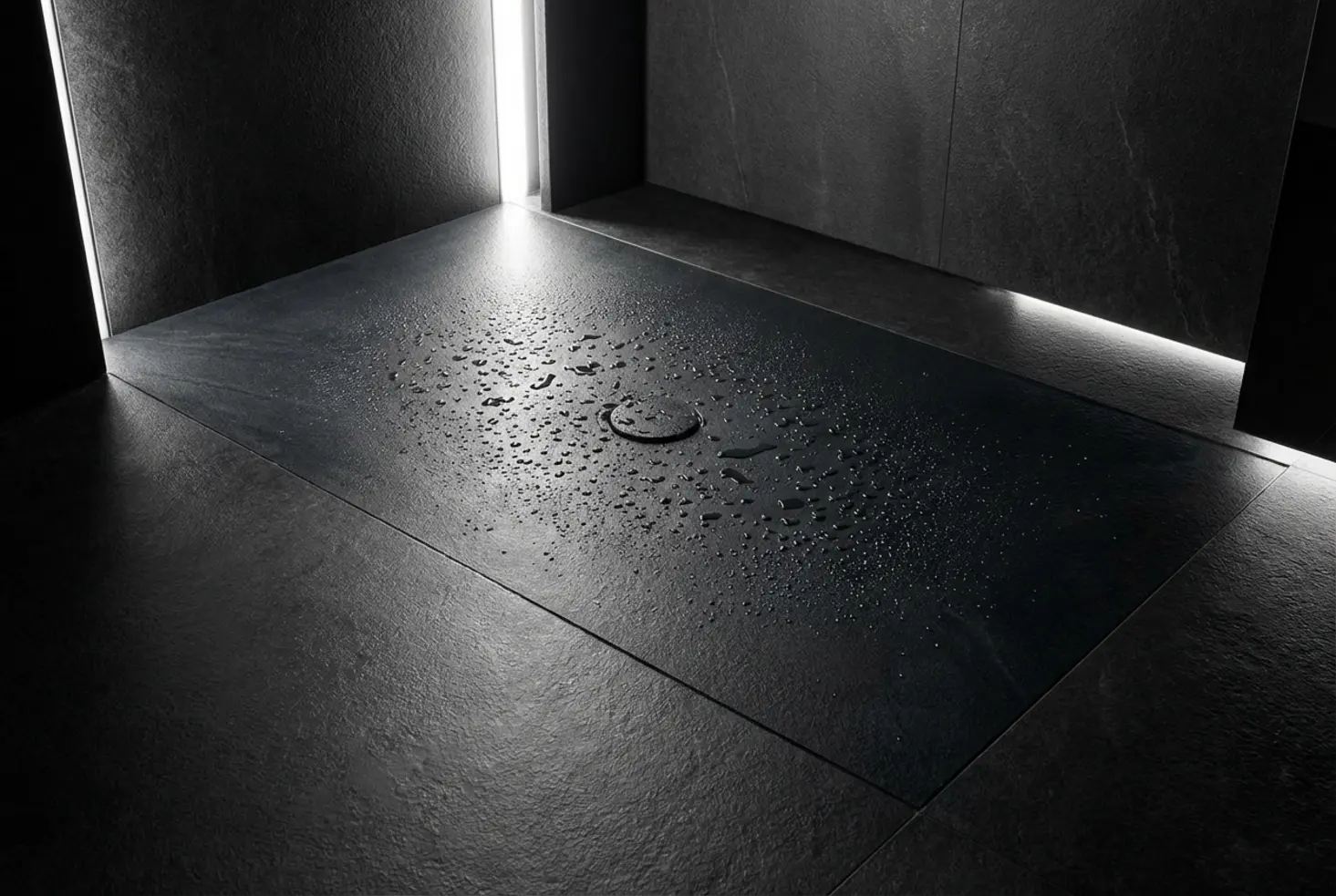
Using large-format slabs reduces grout lines, which are the main culprits for mold and cleaning headaches. If you are looking for a cohesive look, integrating a custom sink or a shower floor made from high-performance porcelain is a game-changer. Brands like Luponcio excel here, offering custom-made solutions that fit your specific measurements perfectly, ensuring that the minimalist aesthetic of the material isn’t ruined by awkward joints or standard-sized plastic trays.
Popular Finishes and Textures: Which One Should You Choose?
Dekton doesn’t just come in different colors; it comes in different «feels.» Choosing the right texture is just as important as the color for your overall design.
- Mate (Matt): The most popular choice. It’s smooth, non-reflective, and very natural to the touch. It hides fingerprints exceptionally well.
- Velvet: A softer, silkier version of the Matt finish. It feels incredibly premium and is often used in luxury bedroom furniture or wall cladding.
- Polished (XGloss): If you want a mirror-like shine that makes your kitchen look like a jewelry store, this is it. Thanks to a nanochemical treatment, it has a spectacular luster.
- Grip+: This is a specialized finish for flooring and pool decks. It offers high slip resistance while remaining soft enough for bare feet.
Dekton vs. Other Surfaces: A Quick Comparison
Is it better than Silestone, Neolith, or Laminam? It depends on your needs.
- Vs. Silestone: Silestone is a quartz surface. It has amazing colors and is very tough, but it is not heat-proof. You cannot put a hot pan on Silestone without risking a permanent burn mark. Dekton, however, laughs at heat.
- Vs. Neolith/Laminam: These are also high-quality sintered stones. They share many characteristics with Dekton. The main difference often lies in the specific color palettes and the thickness options (like the 4mm Slim variant).
- Vs. Natural Marble: Marble is beautiful but incredibly high-maintenance. It stains if you look at it wrong. Dekton can mimic the look of Calacatta or Carrara marble perfectly but without the stress of etching or staining.
Pro Tips for a Flawless Installation
Since Dekton is an extremely hard and dense material, you cannot treat it like wood or cheap laminate. Here are some tips to ensure your project goes smoothly:
- Always use a Certified Fabricator: Cutting Dekton requires specific diamond blades and water-cooling systems. Do not hire a general contractor to cut this material on-site; it must be done in a professional workshop.
- Check for «Book-matching»: If you are using a material with heavy veining, ask if your slabs can be «book-matched» (where the veins line up at the seams). This creates a stunning, continuous visual effect.
- Think about the edges: You can choose from a simple square edge, a mitered edge (which makes the slab look much thicker), or even rounded edges for a softer look.
If you are coordinating a full renovation, remember that the «small» details matter. Matching your countertop with a custom porcelain sink from Luponcio can elevate the entire room from «nice» to «magazine-worthy» without adding unnecessary complexity to the installation process.
Maintenance: How to Keep it Looking New
One of the best things about Dekton is how little it asks of you. There is no need for yearly sealing or special waxes.
- Daily cleaning: Just use a soft cloth and a neutral soap.
- Stubborn stains: For dried-on food or grease, a cream detergent with small abrasive particles (like Cif) works wonders without scratching the surface.
- What to avoid: Avoid using metal scouring pads or hydrofluoric acid. Other than that, you’re pretty much safe.
Conclusion: Is Dekton Right for You?
Dekton is not the cheapest material on the market, but it is arguably the most durable. If you are the kind of person who wants to cook without worrying about coasters, if you want an outdoor kitchen that stays perfect through sun and snow, or if you simply love the aesthetic of large, seamless stone surfaces, Dekton is an unbeatable choice.
The Verdict:
- Choose Dekton if: You want maximum durability, you love modern aesthetics, and you want a carbon-neutral product.
- Skip Dekton if: You are on a very tight budget or if you prefer the «patina» and imperfections that come with aged natural stone.
By investing in a high-performance surface like Dekton—and complementing it with bespoke elements like those from Luponcio—you aren’t just renovating a room; you are building a space designed to last a lifetime.